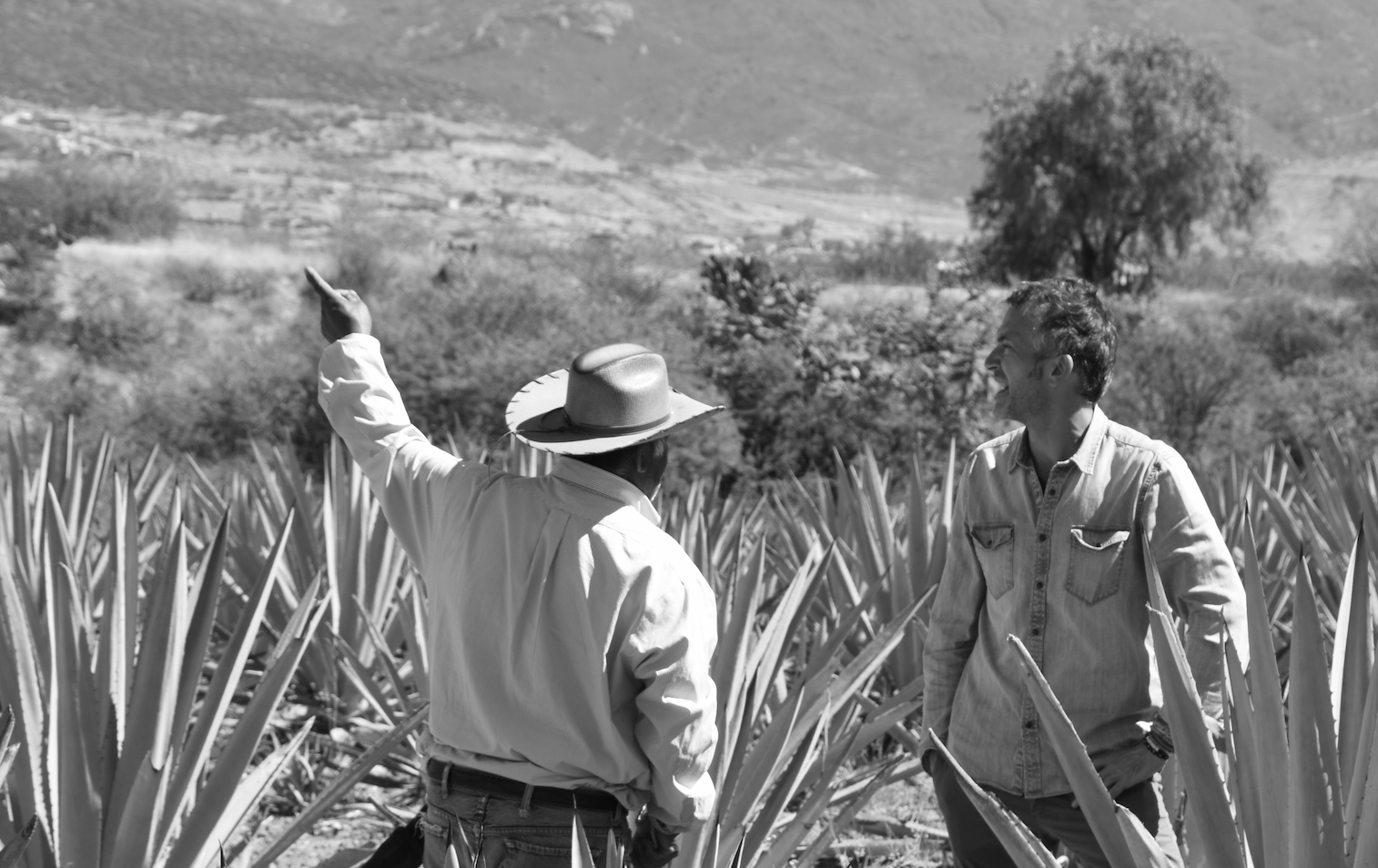


Slowness and patience.
Ramo de Rosas stands out as one of the "slowest" brands in Oaxaca... Starting with our Capón harvest, which adds 12 months to the agave's maturation cycle... And ending with our famous slow cooking process, 3 times longer than that of a classic mezcal. So... drink slowly!

Cocktails with this mezcal
View all-
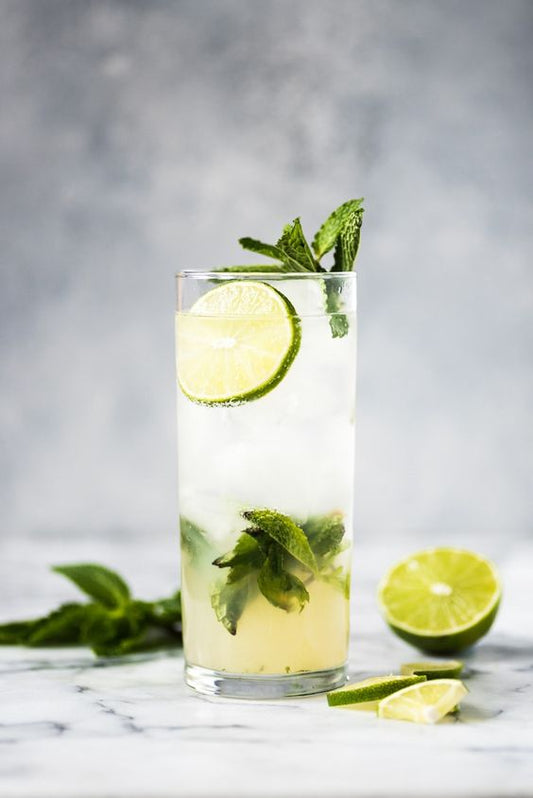
Mezcal mojito
The mezcal mojito is a modern version of the classic Cuban cocktail that is typically made with rum. The addition of mezcal adds a unique depth of flavor to the...
Mezcal mojito
The mezcal mojito is a modern version of the classic Cuban cocktail that is typically made with rum. The addition of mezcal adds a unique depth of flavor to the...
-
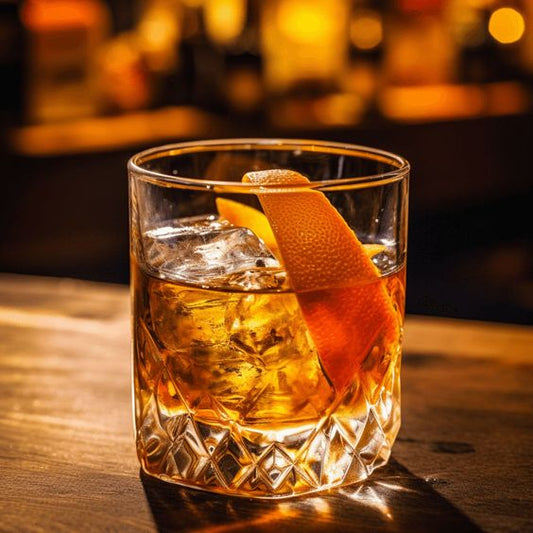
Mezcal Old Fashioned
Introducing the famous Oaxaca Old Fashioned, also known as Mezcal Old Fashioned, where the whiskey (or bourbon) is replaced with mezcal.
Mezcal Old Fashioned
Introducing the famous Oaxaca Old Fashioned, also known as Mezcal Old Fashioned, where the whiskey (or bourbon) is replaced with mezcal.
-

Cassi Arte
The "Cassi Arte" is a cocktail that fuses the subtle smokiness of espadín with the sweetness of roasted pineapple, the acidity of lime, the richness of cassis, and the smoothness...
Cassi Arte
The "Cassi Arte" is a cocktail that fuses the subtle smokiness of espadín with the sweetness of roasted pineapple, the acidity of lime, the richness of cassis, and the smoothness...


30 notes in a mezcal.
At each stage of making our mezcals, we take our time. To begin with, our Capon harvest makes us "lose" a year. Then we cook our agaves at a low temperature, using 100% natural fermentation and slow-heat distillation.
This allows our mezcals to feature more than 30 tasting notes each.
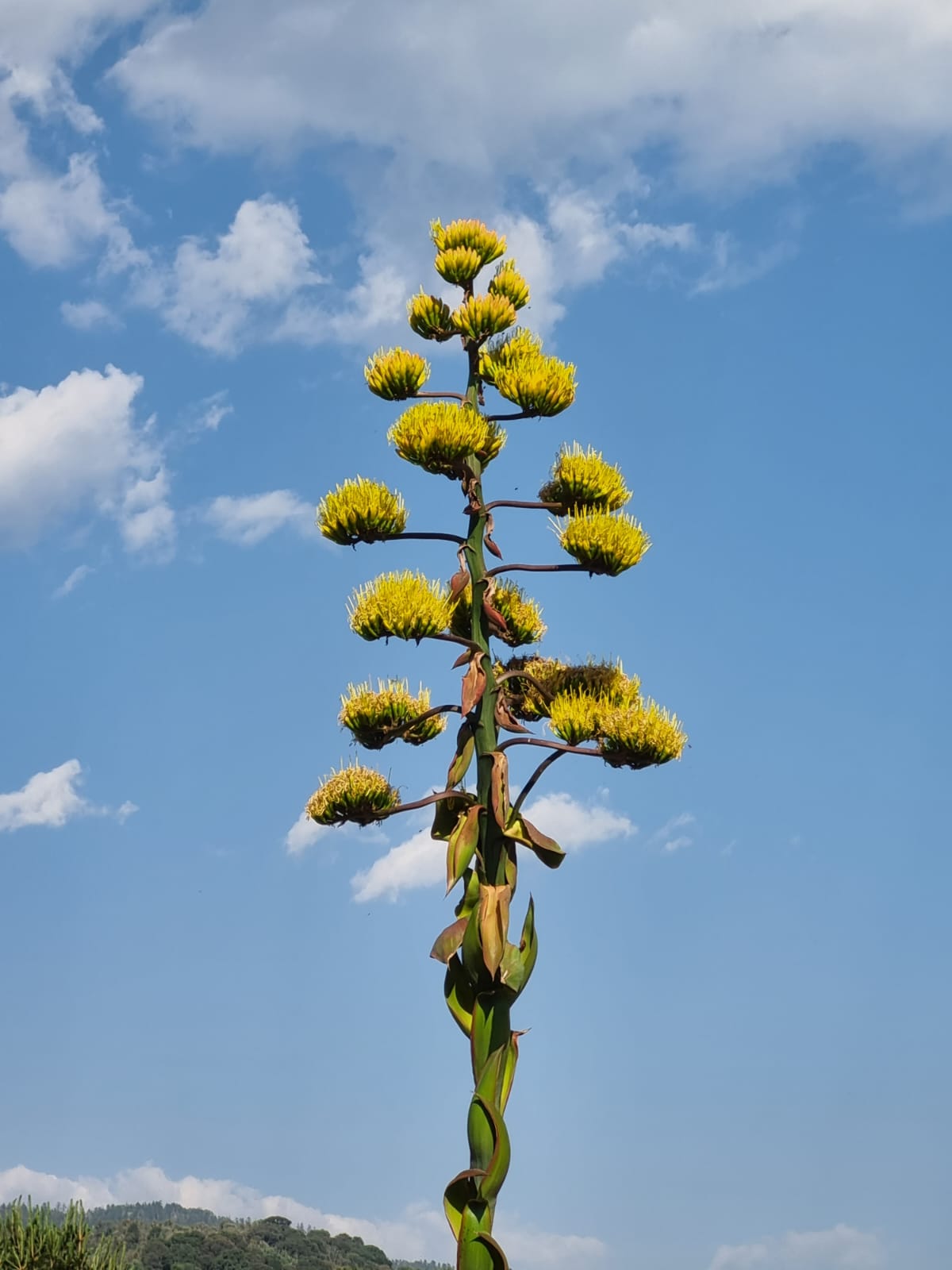
What does "Capón" mean?
We work with 4th and 5th generation producers and we are the last to preserve and transmit the "Capón" method, a harvesting method almost extinct today.
When the agave reaches maturity (after 11 years, for example in the case of a tobalá agave), we cut the "quiote" (the flower stem) and instead of starting production immediately, we leave the agave 12 additional months in the ground.
This allows all the minerals and sugars intended to feed the flower to concentrate in the agave's heart, resulting in a distillate much more subtle and complex than a classic mezcal.
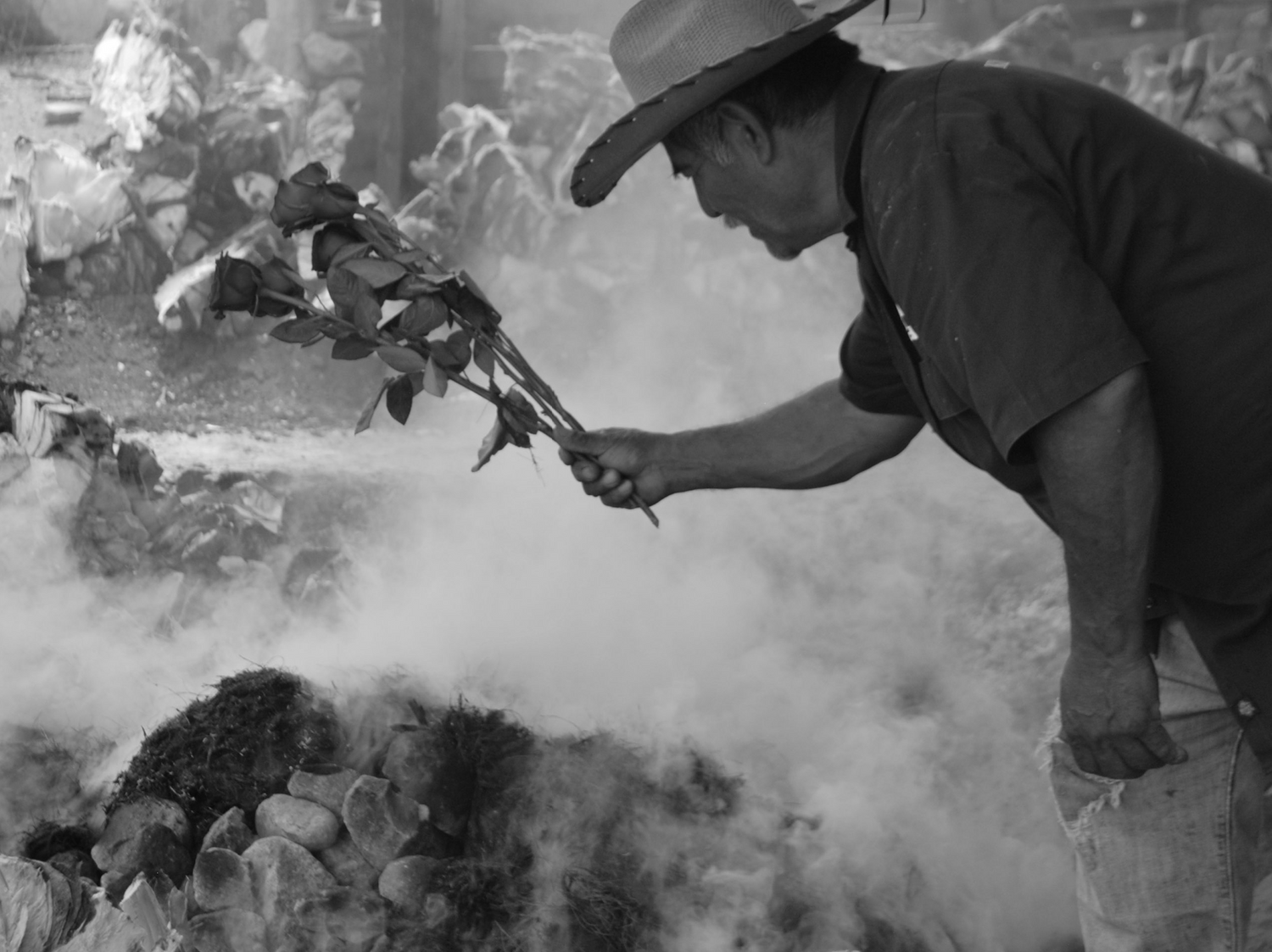
Why "Ramo de Rosas"?
Since 1950, every time we start a new production, we throw a bouquet of roses ("ramo de rosas" in Spanish) into the fire that cooks the agaves, in honor of the Virgin of the Rosary – the patron saint of Santiago Matatlán. That tradition gave its name to our mezcal.
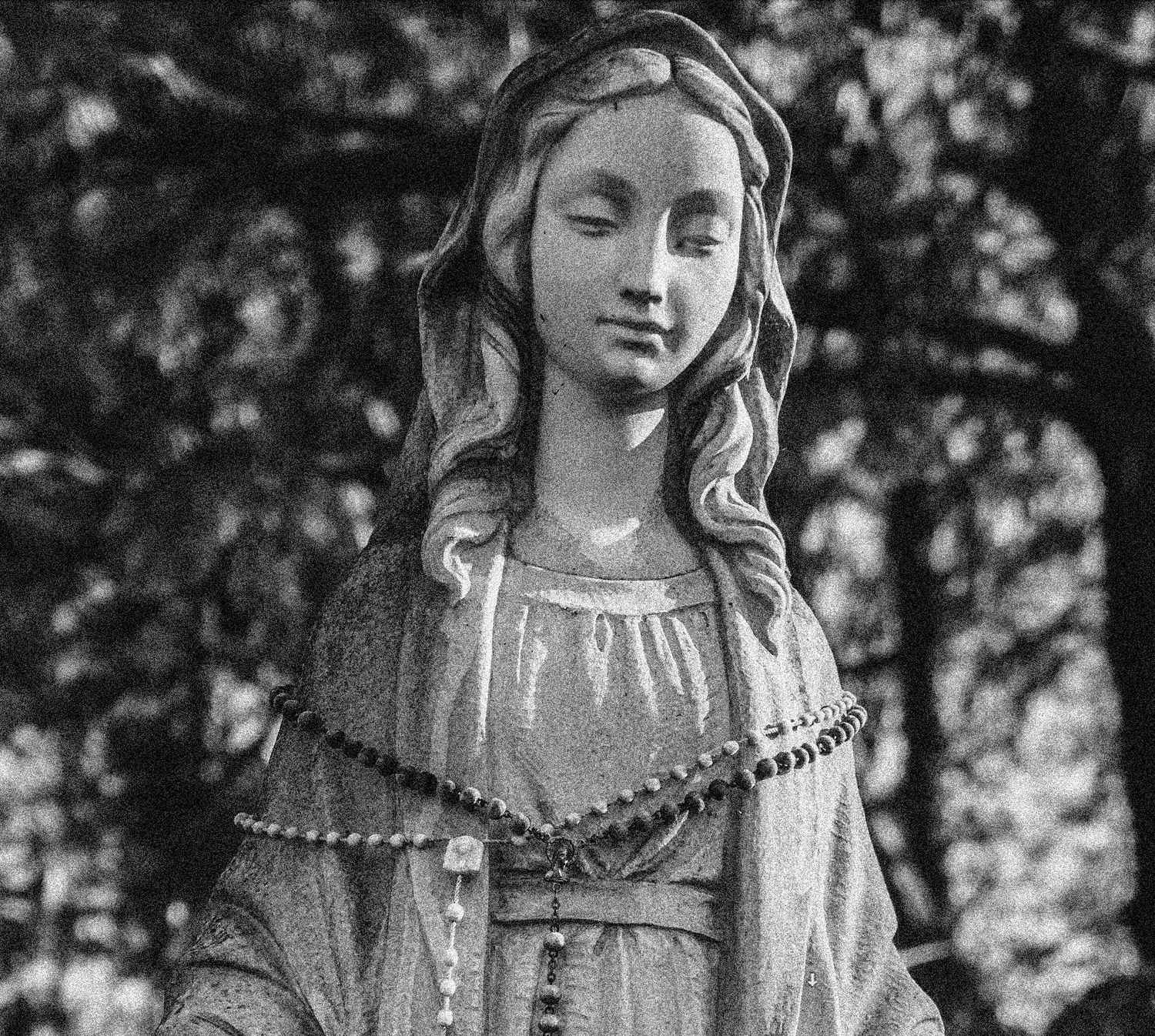
The Virgin of the Rosary
The name of the Patron Saint of our town comes from her 'rosary', a word that in turn has origins in the Latin 'rose'. In the Middle Ages, there was a practice of offering garlands of roses to statues of the Virgin Mary during prayers. Over time, the concept of the "rose garland" became associated with prayers said with beads, leading to the term "rosary" to describe this form of devotion.